Attic Mold Removal in Bergen County, NJ
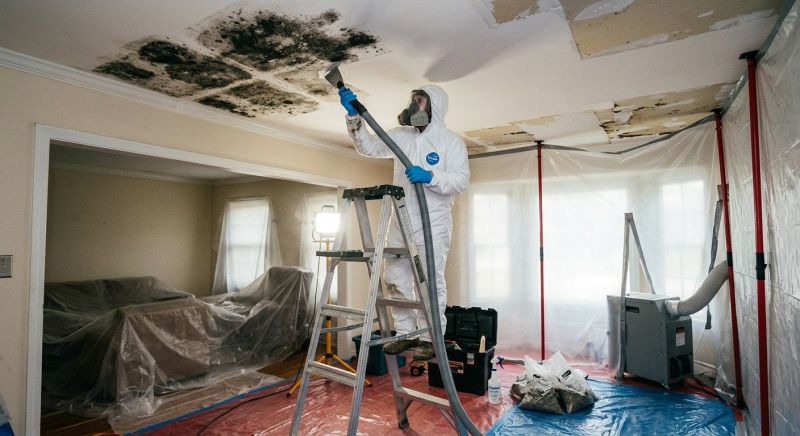
Attic mold removal services focus on identifying and eliminating mold growth in attic spaces, which can develop due to excess moisture, poor ventilation, or leaks. These projects typically involve thorough inspections to assess the extent of mold presence, followed by targeted cleaning and treatment to remove mold spores and prevent future growth. Property owners often seek this service to improve indoor air quality, protect the structural integrity of the home, and address health concerns associated with mold exposure.
Before requesting attic mold removal, homeowners usually want to understand the scope of the work involved, including whether the entire attic or only specific areas require treatment. It’s also common to inquire about the causes of mold growth, such as ventilation issues or water intrusion, to ensure proper solutions are recommended. Clarifying the methods used for mold removal and any necessary repairs can help property owners make informed decisions about maintaining a safe and healthy home environment.
Many property owners in Bergen County, NJ look into Attic Mold Removal for repairs, replacements, upgrades, and appearance-related improvements.
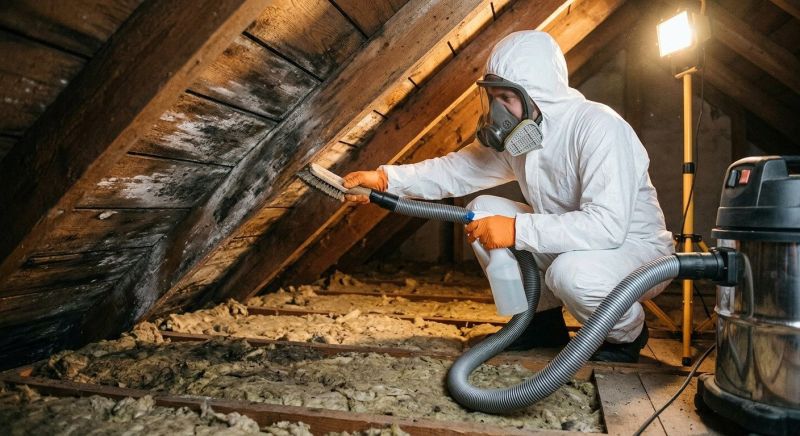
Identifying Attic Mold
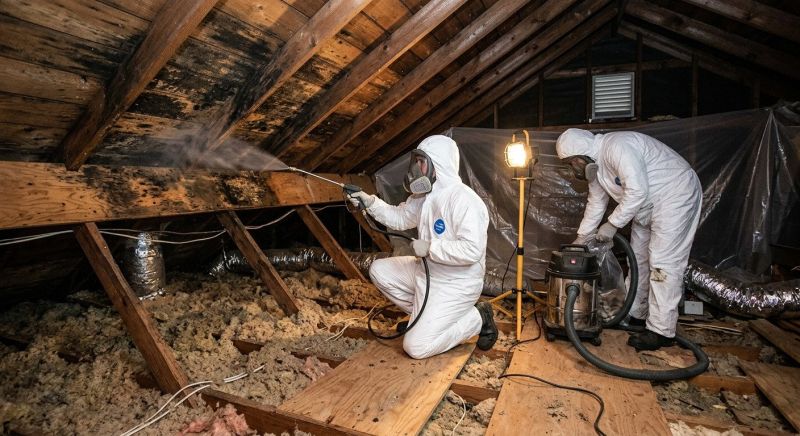
Signs of mold growth in the attic can include musty odors and visible discoloration on wood surfaces.
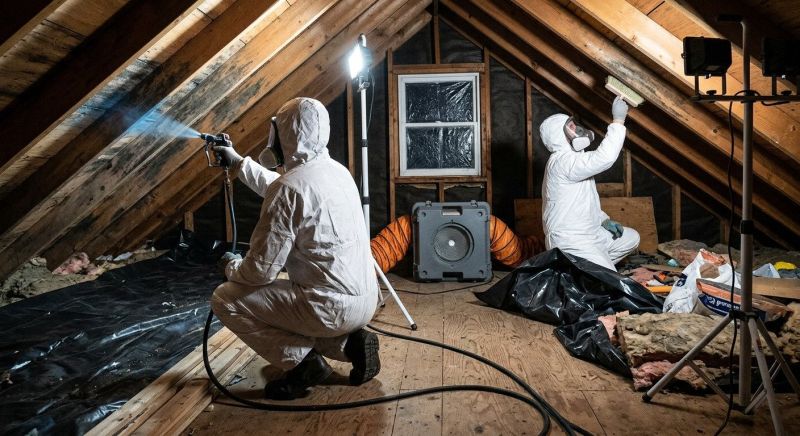
Health And Property Risks
Attic mold can cause health issues and damage to insulation, rafters, and other structural components.
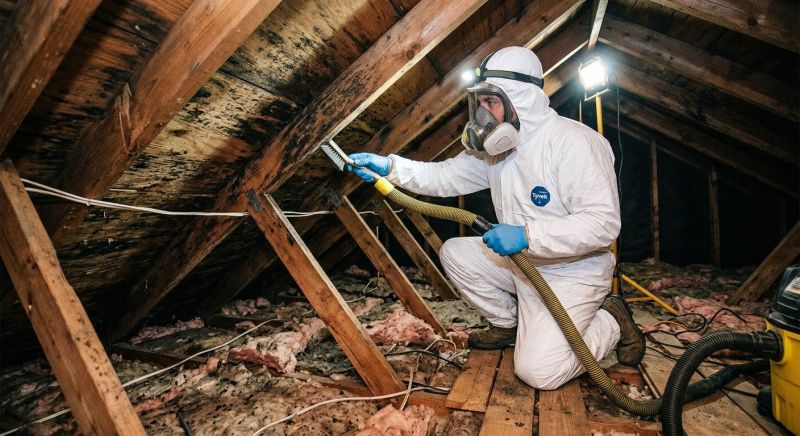
Removal And Prevention
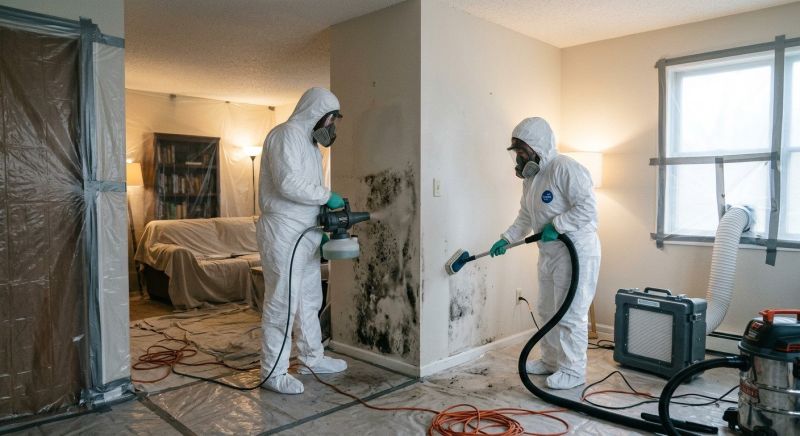
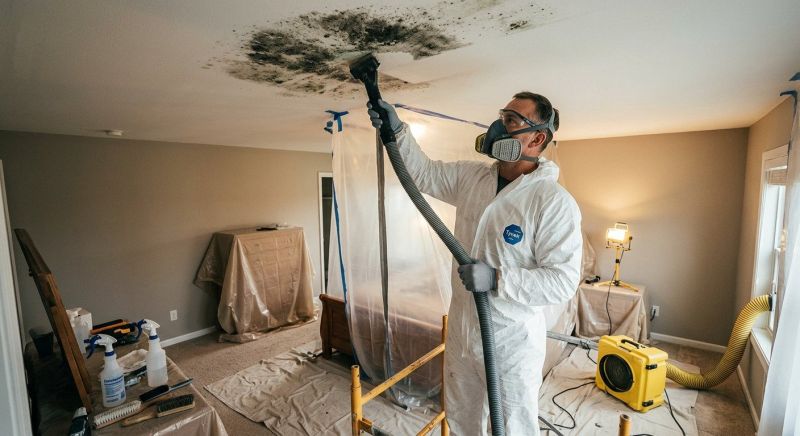
Professional mold removal helps restore attic air quality and includes measures to prevent future growth.
Attic Mold Removal in Bergen County, NJ
Attic mold removal services focus on identifying and eliminating mold growth in attic spaces, which can develop due to excess moisture, poor ventilation, or leaks. These projects typically involve thorough inspections to assess the extent of mold presence, followed by targeted cleaning and treatment to remove mold spores and prevent future growth. Property owners often seek this service to improve indoor air quality, protect the structural integrity of the home, and address health concerns associated with mold exposure.
Before requesting attic mold removal, homeowners usually want to understand the scope of the work involved, including whether the entire attic or only specific areas require treatment. It’s also common to inquire about the causes of mold growth, such as ventilation issues or water intrusion, to ensure proper solutions are recommended. Clarifying the methods used for mold removal and any necessary repairs can help property owners make informed decisions about maintaining a safe and healthy home environment.
Many property owners in Bergen County, NJ look into Attic Mold Removal for repairs, replacements, upgrades, and appearance-related improvements.
Common Attic Mold Removal Jobs
Attic Mold Removal - eliminates mold growth caused by excess moisture in attic spaces.
Mold remediation - addresses mold issues that can affect indoor air quality and home safety.
Moisture inspection - identifies sources of humidity that contribute to mold development.
Air quality improvement - reduces mold spores and allergens in attic environments.
Mold cleanup - involves thorough cleaning and removal of mold-affected materials.
Preventive treatment - applies solutions to inhibit future mold growth in attic areas.
Attic Mold Removal Questions
What causes mold to develop in attics? Mold in attics often results from excess moisture, poor ventilation, or roof leaks that create a damp environment.
How can attic mold affect a home? Attic mold can lead to structural damage, musty odors, and potential health issues for residents.
What signs indicate attic mold presence? Visible mold growth, a musty smell, or water stains on attic surfaces are common indicators of mold issues.
Why is professional removal recommended? Professionals ensure thorough cleaning and proper remediation to prevent mold from returning and protect property health.
Request Attic Mold Removal in Bergen County, NJ
Use the quote form on this page to share the basics of your project and request more information for the type of work you need.